


What is Detoxification (Detox)? How Is It Done and Who Should Undergo It? Detoxification means…

Using detoxifying methods (detox cures) and tools that remove environmental toxins that pollute our bodies, whatever their source, is necessary for a healthy and long life. These substances that harm our bodies are the primary enemies of our tissues, organs, cells, and intracellular organelles.
When our detox systems become insufficient against the toxins produced by our environment and our own bodies, our toxin burden increases. As a result, many health problems arise, such as fatigue, weakness, exhaustion, not feeling well, excessive sleepiness or insomnia, tension in the muscles and joints, pain and weakness, irritability, and a feeling of distress.
Besides the toxic byproducts created by our body's normal metabolic activities, the harmful waste produced by various mental and physical stresses and by the body's efforts to fight various infections are also removed from the body through the joint effort of many organs, such as the kidneys, liver, lungs, and skin.
Every year, people are exposed to the effects of thousands of chemical and physical toxic substances obtained from the soil, water, the air they breathe, and the food they eat. These toxic substances manifest in the human body through a wide variety of different symptoms, such as a decrease or loss of physical resistance, hormonal imbalances, nervous system disorders or loss of resilience, physiological imbalances, and even irreversible diseases (cancer).
 Despite being aware of it, we often consume more animal protein than the recommended 10% of our daily food intake, and in addition, heavy use of caffeine, alcohol, fats, carelessly used medications — especially antibiotics — and other unhealthy products introduced into the body from outside can leave us facing many difficult-to-manage problems later in life, such as cardiovascular problems, joint diseases like arthritis, excess weight, and diabetes. It is also known that these harmful factors, of which we have listed only a few, slow down — or even stop — cellular function in the organism.
The primary aim of detoxifying the body is to restore cellular health. The foods we have consumed over the years accumulate in our intestines. The toxic substances described above disrupt our intestinal flora, causing our intestines to become unable to perform their normal function.
It should also not be forgotten to add, to this chain of toxic substances obtained from the air we breathe and the food and drink we consume, the waste products of all petroleum-based fuels, household cleaning products, and dry-cleaning chemicals.
As our world becomes more polluted, our body filters out this pollution, and these toxins disrupt our physiological functions. Chemicals in the food we eat, harmful substances in the water we drink, and, in addition, the electronic and chemical toxins present in the indoor and outdoor spaces we inhabit are constantly filtered and accumulated in our bodies.
A well-known fact today is that this bio-accumulation (foreign substances built up in our body) seriously threatens both our physiological and psychological health.
Studies conducted on this subject over the years have shown that a healthy immune system, together with properly functioning elimination systems, makes a person more resilient — both neurologically and physiologically and psychologically — against these toxins coming from outside.
Accordingly, for a healthy and vigorous life, it is necessary to consciously help the body from outside and ensure the elimination of toxins from the organism.
How is detoxification performed?
Always keep in mind that the real cause of chronic disorders is a poorly functioning autonomic (vegetative) nervous system, together with toxins accumulated in the connective tissue. On the other hand, an application carried out together with neural therapy helps mobilize the toxins lodged in the connective tissue and remove them from the body, thereby supporting the body's ability to regulate itself more effectively.
 Although the process of cleansing the body takes at least six months, after this period it remains important, for a healthy life, to continue supporting the body's own natural processes for the rest of one's life using the methods mentioned above.
Since every individual has a different constitution from another, just as we give different reactions to diseases and other external factors, people may also react differently to toxins.
While some people's bodies are better able to eliminate toxins more easily, other people's metabolisms cannot perform these functions with the desired sensitivity. (A healthy autonomic nervous system and basic systems are a prerequisite). The most effective treatment method for eliminating toxins from the connective tissue, together with the autonomic nervous system, is neural therapy. A detoxification program that does not include neural therapy is missing a crucial component. Nevertheless, rather than a single-method treatment, a combination treatment tailored to the individual should be the goal.
For these reasons, when a person's body needs to be detoxified depends on that person's metabolism.
This process, known as detoxification, should be considered from several angles.
These are;
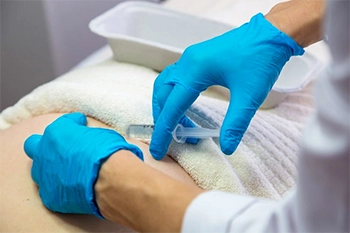 Neural Therapy for the regulation of the autonomic nervous system and basic substances and systems
- Cleansing the body with special diets after food sensitivity testing has been performed
- Regulation of the body's acid-base balance under a doctor's supervision for certain periods
- Microbiological support treatments to regulate the intestinal flora following an individualized intestinal flora analysis
- Reviquant - Magnetic field therapy
- Individualized vitamin, mineral, antioxidant, and trace element supplementation with an orthomolecular medicine approach
- Vegetable juice and fruit juice regimens
- Biophoton therapy
- Individualized herbal teas and herbal regimens
- Individualized chelation therapy if there is heavy metal buildup in the body
- Colon cleansing (colon hydrotherapy)
- Homeopathic support treatments when deemed necessary
- Ozone applications
- Seaweed baths
- Sauna, Turkish bath, spa, or hyperthermic sessions (sweating)
Who should undergo detox?
Aside from laboratory findings, of course, clinical signs suggesting that the body needs detoxification can include headaches, back pain, and neck pain with no apparent cause, allergic symptoms, insomnia, behavioral changes, joint pain, constantly recurring respiratory problems, and allergic reactions to foods.
On the other hand, it is now clearly established that arthritis, chronic constipation, hemorrhoid problems, digestive system ulcers, sinus congestion, and skin problems such as eczema and psoriasis also constitute indications for detoxification.
When a person does not feel well and consults their doctor with such complaints, it will be very meaningful for a healthy approach to first undergo laboratory tests (blood, urine, stool, hair analysis, liver function tests, etc.) and then carry out detoxification applications under the doctor's supervision.
Detoxification means cleansing the organism of toxic substances that are harmful to it.
Using detoxifying methods (detox cures) and tools that remove environmental toxins that pollute our bodies, in one way or another, is necessary for a healthy and long life. So what should we pay attention to when doing a detox?
Things to pay attention to when doing a detox!
- Start your day with a glass of warm water with half a lemon squeezed into it.
- Don't neglect skin detox — take advantage of steam baths, saunas, Turkish baths, and massages.
- Choose organically farmed foods.
- Avoid using medication (painkillers, anti-gas remedies, antacids) unless truly necessary.
 Give up alcohol, cigarettes, and excessive coffee.
- Drink at least 2-2.5 liters of water throughout the day — in fact, drink 40 ml of water per kilogram of body weight.
- Be sure to eat at least 3 meals a day. It is actually more beneficial to eat five smaller meals instead of three. Increase the number of meals but try to reduce the portion size of each.
- Make an effort to eat 5 servings of vegetables and fruit every day.
- Stay away from electrosmog, or use a magnetic field device to neutralize it.
- Don't neglect to engage in physical activity that burns around 1500 kilocalories per week.
- Take advantage of vegetable and fruit juice blends. Make sure these blends include carrot, turnip or beet, apple, papaya, melon, and kiwi.
- During your detox, drink about 2 cups of fennel or dandelion tea a day.
- Shortly before going to bed at night, add 1 teaspoon of fresh honey to 1 cup of warm water or milk and sip it slowly. You will find it helps control your hunger at night. You can also have a piece of chocolate if you like.
- Meet your animal protein needs mainly through fish and animal products raised in natural conditions.
- Take regular showers, alternating between hot and cold water.
- Stay positive! Make an effort to be in environments that make you laugh or smile, together with your loved ones.
- Set aside time for yourself to rest.
- Visit your friends and elders. Create opportunities to spend more time with your spouse and children.
- Don't neglect to have fun.
- Pay attention to dental hygiene, and avoid fillings and prosthetic materials that could harm your body's health purely for the sake of aesthetics. Have your amalgam fillings removed under a specialist's supervision.
Dr. Hüseyin NAZLIKUL
President of IFMANT = International Federation of Medical Associations for Neural Therapy
President of the Scientific Neural Therapy Regulation Association
Sources Consulted:
• Nazlikul, H: Neural Therapy Textbook
• Nazlikul, H: Neural Therapy — Another Treatment Is Possible
• H. Barop's Neural Therapy Atlas (Translator: H. Nazlikul)
• L. Fischer's Neural Therapy Book (Translators: H. Nazlikul and Y. Tamam)
• James W. McNabb, Joint and Soft Tissue Injections (Translators: H. Nazlikul and Y. Tamam)
• Weinschenk, S: Neuraltherapie
• Fischer, L et al: Lehrbuch Integrative Schmerztherapie