


The Path to True Health - Another Treatment Is Possible with Neural Therapy Neural therapy is a…

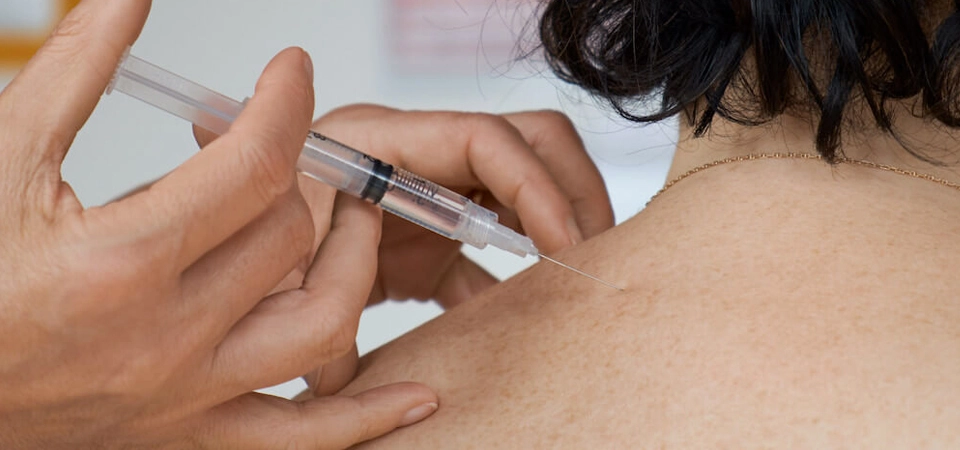
Neural therapy is a method that emerged in Germany around 1903 and has been widely used by physicians since 1928. In Turkey, neural therapy has become increasingly known and applied in recent years as a treatment method, thanks to the training provided by the Scientific Neural Therapy and Regulation Association, which was founded in 2004 under my chairmanship and which I still chair today.
The human body is an electrical body. Throughout our entire body, there is a network with a total length reaching 500,000 km. Excitable tissues have the ability to generate and conduct an action potential in response to any stimulus by changing the electrical properties of their cell membranes.
Neural therapy is an effective method used to successfully identify and safely treat the underlying cause of any disease, inflammation, or pain.
Neural therapy is a regulation, in other words a regulatory, treatment performed using local anesthetic drugs and the body's neuroanatomical connections. It is applied for both diagnostic and therapeutic purposes. Neural therapy is a treatment method that regulates the cells, organ systems, and tissues connected to the autonomic nervous system, enabling them to function effectively. NEURAL THERAPY REGULATES THREE CIRCULATORY SYSTEMS
With the local anesthetic injection applied to the relevant areas in neural therapy, 3 circulatory systems in the body are regulated: blood circulation, lymphatic circulation, and neural conduction. When blood circulation to a tissue increases, that tissue is nourished; when lymphatic circulation increases, the tissue is cleared of breakdown products, that is, cleansed; and a tissue with increased and regulated nerve conduction functions more properly. Consequently, the self-healing capacity of a tissue that is nourished, cleansed, and receiving regular conduction increases.
It increases blood flow and oxygen transfer in the area of application and in the related tissue and organ systems. By helping eliminate the patient's pain complaints, it facilitates the healing of damaged tissue.
Thanks to the analgesic, antibacterial, antiviral, and anti-inflammatory properties of the local anesthetic drugs used in the application, healing effects emerge that begin at the cellular level and spread to organ systems and the entire body.
Within seconds, this effect forms the first steps of lasting healing, with both the problematic area and distant organs and systems beginning to function healthily. HOW IS NEURAL THERAPY APPLIED?
Neural therapy is applied as superficial injection, deep injection, and disturbance field treatment. Local anesthetics are used for the injections to be performed. The local anesthetics applied make adjustments in the problematic area and remove harmful substances. In this way, blood flow and oxygenation increase in the tissues causing the disease. At the same time, pain signals are reduced, providing relief to the patient. Although the effect duration of these drugs is 20 minutes, the healing process they provide in the body is long enough to be measured in days.
Even though we may not be aware of it, certain changes occur in our bodies before diseases emerge. These changes need to be identified through detailed questioning using the neural therapy approach, and diagnosed through personalized analysis and examination methods. These methods provide important contributions to patients both in preventive medicine and in treatment.
The basic logic in neural therapy is regulation. Accordingly, its indications relate to the regulation of an existing structure. An anatomical deficiency or a genetic disorder does not fall within the scope of neural therapy's applications.
IN WHICH AREAS IS NEURAL THERAPY USED?
- Migraine, tension-type headache, and other headaches
- Treatment of lower back, neck, and back pain and herniated discs
- Pelvic-origin pain and dysfunctions
- Shoulder, foot, hip, and knee diseases and pain
- Treatment of any type of muscle-origin pain
- Treatment of organ dysfunctions
- Chronic fatigue
- Brain fog
- Forgetfulness
- Sleep disorder
- Strengthening the immune system
- Treatment of persistent post-surgical pain
- Shingles pain (Acute and Chronic Herpetic Neuralgia)
- Trigeminal neuralgia
- Menstrual irregularities and severe menstrual cramps
- Chronic sinusitis
- Vertigo
- Tinnitus (ringing in the ears)
- Facial paralysis
- Endometriosis
- Anti-Aging
- Detoxification and chelation
- Hormonal irregularities
- Dysmenorrhea
- PMS
- Supporting infertility treatment
- Erectile dysfunction
- Herpes zoster – Shingles
- Skin diseases
- Constipation, diarrhea, IBS, ulcerative colitis, and Crohn's disease
- Problems related to circulatory disorders
- Allergic-origin diseases
- Treatment-resistant diseases
- Phantom pain
- Edema
- Ménière's disease
- Stomach diseases
- Coccydynia
- Sacroiliac joint dysfunction and disease
- Carpal tunnel syndrome
- Lymphatic circulation disorder
- Mental health conditions such as depression and panic attacks
- Detoxifying the body from toxins
- Neuropathic vulvar neuralgia (vulvodynia)
WHAT YOU NEED TO KNOW ABOUT NEURAL THERAPY
Neural therapy is a scientific discipline that requires being a physician along with a rigorous training process (in Turkey and Germany, a 2-year training program must be completed followed by success in a 3-stage examination), and it has university-level clinics in many countries such as Switzerland, Germany, Austria, Spain, and countries in South America.
For physicians who have completed sufficient and appropriate training, neural therapy is an easily applicable procedure with quite few side effects. The frequency and duration of sessions vary from person to person and depending on the condition. The form and duration of treatment are determined individually, according to the responses obtained from the application.
WHO CAN RECEIVE NEURAL THERAPY?
- Neural therapy can be applied to patients of all ages, including children and the elderly.
- Conditions such as hypertension, diabetes, and heart disease, as well as the medications the patient is taking, do not prevent treatment.
- In patients using cortisone, the effectiveness of treatment decreases because the entire body is suppressed.
- In those using blood thinners such as Coumadin, caution should be exercised with certain applications. Applications made to the skin generally carry no risk.
You can find more information about Neural Therapy, Regulation Medicine, and Complementary Medicine treatment here.
Sources Consulted:
• Nazlikul, H: Neural Therapy Textbook
• Nazlikul, H: Neural Therapy – Another Treatment Is Possible
• H. Barop’s Neural Therapy Atlas (Translator: H. Nazlikul)
• L. Fischer’s Neural Therapy Book (Translators: H. Nazlikul and Y. Tamam)
• James W. McNabb, Joint and Soft Tissue Injections (Translators: H. Nazlikul and Y. Tamam)
• Weinschenk, S: Neuraltherapie
• Fischer, L et al.: Lehrbuch Integrative Schmerztherapie